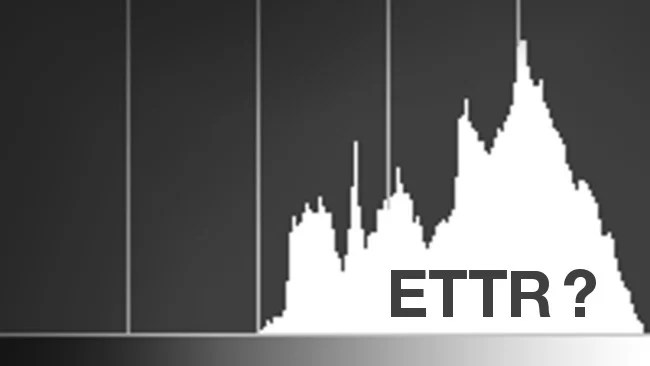
You might have heard of a technique called ETTR, which stands for Exposing to the Right. It’s a way of taking photos that makes them look brighter and more detailed. It sounds like a good idea, right? Well, not always. In fact, ETTR can be a bad choice for wildlife photography. Here’s why:
- ETTR takes time and effort. When you use ETTR, you have to measure the light carefully and adjust your exposure settings so that the histogram is as close to the right edge as possible, without going over it (clipping). This means that you have to check your camera screen often and tweak your settings. But wildlife photography is not like that. You have to be quick and spontaneous, because animals don’t wait for you. They move fast, they change direction, they hide, they run away. You don’t have time to fiddle with your camera. You have to be ready to shoot at any moment. If you use ETTR, you might miss that perfect shot.
- ETTR can ruin your photos if the light changes. Sometimes, the light can change suddenly or unexpectedly, especially in nature. For example, the sun might come out from behind the clouds, or the animal might move from a dark forest to a bright field. If you use ETTR, your photos might end up being overexposed, which means that they are too bright and lose detail. For example, if you are photographing a bird flying in the sky, and the sun suddenly shines on it, your photo might look like a white blob. You can’t fix that in post-processing. You have to get the exposure right in the camera.
- ETTR can cause havoc with your camera settings. To use ETTR, you might have to use a slower shutter speed, a wider aperture, or a higher ISO than you would normally use. But these settings can affect the quality of your photos in other ways. For example, a slower shutter speed can make your photos blurry, a wider aperture can make your background too blurry, and a higher ISO can make your photos noisy. For wildlife photography, you usually want to use a fast shutter speed to freeze the motion, a narrow aperture to keep everything in focus, and a low ISO to keep the noise low.
- ETTR can change the mood of your photos. Sometimes, you might want to keep the natural contrast and shadows of the scene, rather than making it brighter. For example, if you are photographing a lion at sunset, you might want to capture the warm and dramatic light, rather than making it look like daytime. Wildlife photography is not only about technical quality, but also about artistic expression and storytelling. You have to think about what you want to say with your photos, and how you want to make the viewer feel.
So ETTR is not really a good technique for wildlife photography. It can make your photos look worse, not better. It can make you miss the shot, not capture it. It can make you lose the mood, not create it. You have to be careful with ETTR, and use it only when it makes sense. Sometimes, it’s better to expose for the subject, not for the histogram.
Happy Snappin’ folks
 Meter The Light