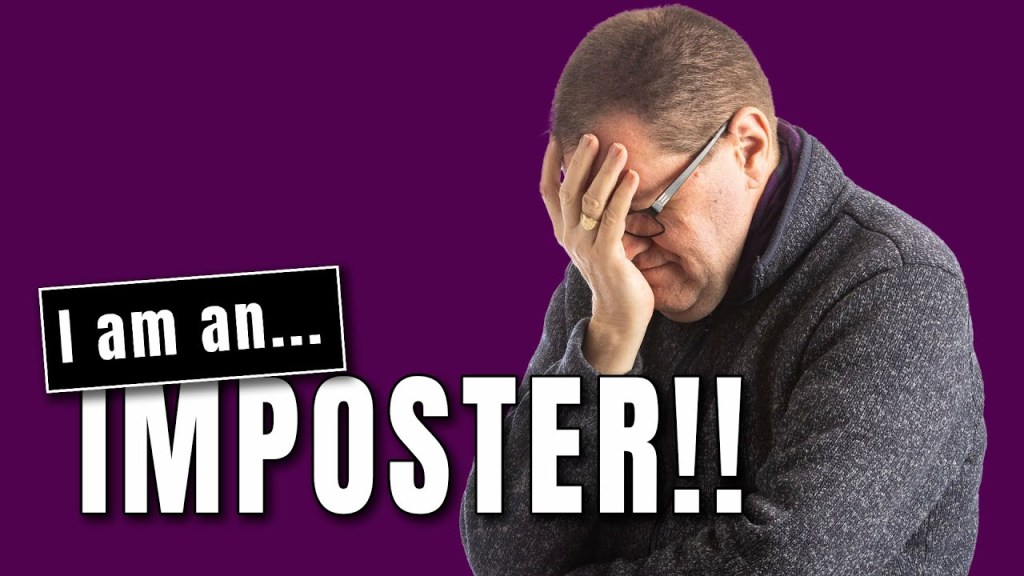
So you think you’re not good enough to be even a half-decent photographer eh? And even worse, you believe that you’ll never be any good. Well, read on my friend if you dare and I’ll tell you some real home truths!
When I first started this crazy game we call ‘Photography’ I honestly believed that I’d never be good enough and that everyone else was a better photographer than me. And the weird thing is that feeling still remains. But I’ve learned to control it rather than let it control me. We all have that unfounded belief (and it is unfounded) that every other photographer is better than ourselves. Trouble is, like Topsy, the doubt grows and it gets bigger and bigger… but the truth is I don’t know any photographer – professional or amateur – who doesn’t have that feeling… even after years of pushing the shutter button.
We all doubt ourselves …often we’re our own worst enemy. And all this has a name: ‘Imposter Syndrome’. That’s all we are: just imposters pretending to be something we’re not. Or are we?
Understanding Imposter Syndrome
Imposter syndrome is a psychological pattern where individuals doubt their accomplishments and have a persistent fear of being exposed as a “fraud.” Despite external evidence of their competence, those experiencing this syndrome remain convinced that they do not deserve the success they have achieved. They often attribute their success to luck, timing, or deceiving others into thinking they are more intelligent and capable than they believe themselves to be.
For photographers, imposter syndrome can be particularly pervasive. The creative field is highly subjective, and the lack of clear benchmarks for success can exacerbate feelings of inadequacy. Here’s a few common signs of imposter syndrome among photographers:
- Self-Doubt: Constantly questioning your skills and abilities, even when you receive positive feedback.
- Perfectionism: Setting excessively high standards for your work and feeling like a failure when you don’t meet them.
- Fear of Failure: Avoiding new opportunities or challenges because you’re afraid of not being good enough.
- Overworking: Putting in extra hours to make sure everything is perfect, often at the expense of your well-being.
- Discounting Praise: Brushing off compliments and attributing your success to external factors rather than your own talent and hard work.
A Few Techniques for Overcoming Imposter Syndrome
Overcoming imposter syndrome is a journey, but there are several strategies that can help you manage and reduce these feelings. These techniques may help on that journey:
1. Acknowledge Your Feelings
The first step in overcoming imposter syndrome is to acknowledge that you’re experiencing it. Understand that these feelings are common and that many successful photographers have felt the same way. Recognizing that imposter syndrome is a shared experience can help you feel less isolated.
2. Keep a Success Journal
Document your achievements, big and small. Keeping a success journal where you write down positive feedback, awards, successful projects, and personal milestones can serve as a tangible reminder of your capabilities and progress. When self-doubt creeps in, revisit your journal to remind yourself of your accomplishments.
3. Seek Feedback
Constructive feedback from peers, mentors, or clients can provide valuable insights into your work. It can help you see your strengths and areas for improvement from an objective perspective. Don’t be afraid to ask for feedback and use it as a tool for growth rather than a measure of your worth.
4. Set Realistic Goals
Set achievable and realistic goals for your photography. Break down larger projects into smaller, manageable tasks. Celebrate your progress along the way, rather than waiting for the final outcome to validate your efforts. This approach can help you build confidence incrementally.
5. Embrace Mistakes
Understand that mistakes are a natural part of the creative process. Instead of viewing them as failures, see them as opportunities to learn and grow. Every photographer, no matter how experienced, makes mistakes. Embracing them can help you develop resilience and improve your skills.
6. Connect with Other Photographers
Building a supportive network of fellow photographers can be incredibly beneficial. Join photography groups, attend workshops, and participate in online communities. Sharing experiences and challenges with others who understand your journey can provide encouragement and reduce feelings of isolation.
7. Practice Self-Compassion
Be kind to yourself. Treat yourself with the same compassion and understanding that you would offer to a friend. Acknowledge your efforts and progress, even if they don’t always lead to immediate success. Self-compassion can help you maintain a positive mindset and reduce the impact of imposter syndrome.
8. Limit Social Media Comparison
While social media can be a great platform for showcasing your work and connecting with others, it can also fuel imposter syndrome. Remember that social media often presents a curated version of reality. Limit your time on social media if you find yourself constantly comparing your work to others. Focus on your own journey and growth.
9. Educate Yourself
Invest in your education and skill development. Take photography courses, attend workshops, and read books on photography. The more you learn, the more confident you’ll become in your abilities. Knowledge can be a powerful antidote to self-doubt.
10. Celebrate Your Unique Perspective
Every photographer has a unique perspective and style. Embrace what makes your work different and special. Instead of trying to emulate others, focus on developing your own voice and vision. Celebrate your individuality and the unique contributions you bring to the world of photography.
In Conclusion
Imposter syndrome is a common experience among photographers, but it doesn’t have to hold you back. By acknowledging your feelings, seeking support, and implementing strategies to build confidence, you can overcome imposter syndrome and continue to grow as a photographer. Remember, your journey is unique, and your work has value. Keep pushing forward, and don’t let self-doubt dim your creative light.
I hope this helps!
Happy snappin’ folks
 Meter The Light